
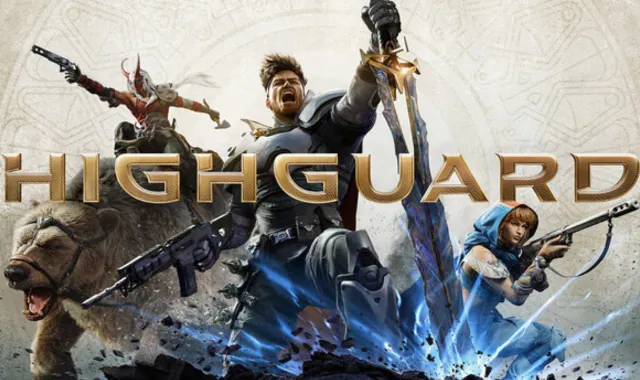
The highguard game has rapidly emerged as one of the most intellectually demanding and rewarding strategy titles in modern competitive gaming. Unlike shallow auto-battlers or luck-driven tactical games, this title demands foresight, discipline, adaptability, and psychological awareness. Every action you take—whether placing a single unit or delaying a resource upgrade—creates ripples across the battlefield that can decide victory or defeat several turns later.
This comprehensive guide is designed to help you fully understand the highguard game, from absolute beginner mechanics to advanced competitive strategies. Whether you’re stepping onto the battlefield for the first time or looking to sharpen your edge in ranked play, this guide will walk you through everything you need to dominate with confidence.
What Makes the Highguard Game Unique?
At its core, the highguard game blends tactical positioning, deep resource management, unit synergy, and real-time decision-making. The battlefield operates on a hex-based grid where spatial awareness is just as important as raw unit strength. Unlike many modern strategy games that automate combat outcomes, this title puts complete responsibility in the player’s hands.
The board is not static. It evolves with every turn, influenced by weather effects, momentum shifts, and player aggression. Mastery comes from understanding that the battlefield is a living system rather than a simple map.
Key gameplay pillars include:
- Tactical hex-grid positioning
- Real-time momentum management
- Multi-resource economy (Gold & Essence)
- Commander progression and talent trees
- Psychological warfare and comeback mechanics
These elements combine to make the highguard game endlessly replayable and strategically deep.
Core Factions in the Highguard Game
Choosing a faction is the first major strategic decision you’ll face. Each faction reflects a different philosophy and playstyle, shaping how you approach combat, economy, and positioning.
1. Iron Bastion – Defense and Control
The Iron Bastion excels at durability and slow, calculated pressure. Their units boast high armor values and strong defensive abilities, making them ideal for beginners who want room to recover from mistakes.
Best for: Defensive play, long matches, beginners
Weakness: Low mobility, predictable pacing
2. Astral Weavers – Mobility and Burst Damage
Astral Weavers rely on speed, unpredictability, and magical burst damage. They reward high-risk, high-reward gameplay and precise execution.
Best for: Aggressive players, advanced tactics
Weakness: Fragile units, punishing mistakes
3. Verdant Reach – Numbers and Economy
Verdant Reach overwhelms opponents through rapid resource regeneration and large unit swarms. They dominate prolonged engagements and thrive with strong economic management.Best for: Scaling strategies, map control
Weakness: Vulnerable to early aggression
Faction choice dramatically affects how the highguard game unfolds, so experiment to find what suits your mindset.
Fixed Table: Unit Classes Explained
Understanding unit roles is essential for success in the highguard game. The table below provides a clear breakdown of the core unit classes you’ll encounter early on.
| Unit Class | Primary Role | Best Against | Weak Against | Skill Ceiling |
| Vanguard | Frontline Tank | Archers, Scouts | Mages, Siege | Medium |
| Skirmisher | High Mobility | Backline Units | Tanks | High |
| Arcanist | Area Damage | Large Groups | Assassins | High |
| Sentinel | Area Denial | Skirmishers | Siege Engines | Low |
| Siege Engine | Structure Damage | Walls, Towers | Mobile Units | Medium |
This structure helps new players understand how unit synergy defines outcomes in the highguard game.
Understanding the Momentum System
One of the most innovative mechanics in the highguard game is the Momentum System. Momentum is earned by:
- Successfully landing attacks
- Capturing strategic objectives
- Destroying enemy structures
Momentum points can be spent mid-battle to:
- Upgrade units instantly
- Trigger Tide-Turner abilities
- Unlock emergency defensive options
This system ensures matches never stagnate. Aggression is rewarded, but reckless overextension can quickly lead to disaster. Learning when to push and when to hold is a defining skill in mastering the highguard game.
Dynamic Weather and Environmental Effects
Weather is not cosmetic. In the highguard game, environmental conditions directly influence combat:
- Rain: Reduces ranged accuracy, buffs lightning spells
- Snow: Slows movement, favors long-range units
- Fog: Limits vision, increases ambush potential
- Night Cycles: Strengthens stealth mechanics
Checking the forecast before a match is a habit that separates casual players from elite commanders.
Beginner’s Roadmap: How to Play Your First Match
Your first few matches in the highguard game may feel overwhelming, but focusing on fundamentals ensures steady improvement.
Early Game (Turns 1–5)
- Capture neutral resource mines
- Avoid reckless base rushes
- Focus on economy scaling
- Deploy balanced unit compositions
Common beginner mistake: feeding low-tier units into fortified defenses, granting free momentum to opponents.
Mid-Game Strategy: Where Matches Are Won
The mid-game (turns 6–15) defines most highguard game outcomes. This is when synergy, rotations, and economy efficiency matter most.
Key Mid-Game Tactics
- Exploit unit combos and faction synergies
- Use lane swapping to bypass strong defenses
- Force opponent rotations to drain resources
- Protect your backline at all costs
Smart lane control can dismantle even the most fortified positions.
Advanced Economic Management and Scaling
Economy is the lifeline of the highguard game. Skilled players follow the “Golden Ratio”:
- 60% on units
- 20% on technology upgrades
- 20% reserved for emergency spells
Maintaining reserves ensures you can respond instantly to surprise threats.
Psychological Warfare and Comeback Mechanics
The highguard game rewards mental resilience as much as tactical skill. Emotes, pressure plays, and repeated harassment can tilt opponents into mistakes.
Nexus Overdrive
When your Nexus drops below 25% health:
- Essence regeneration triples for 60 seconds
- Enables dramatic comeback pushes
Never surrender early — some of the most legendary victories happen in the final moments.
Pro-Level Winning Tips
- Monitor Commander Level and assign talents consistently
- Master baiting and ambush tactics
- Trade low-value units for high-value eliminations
- Review replays from both perspectives
High-level success in the highguard game is built on discipline, awareness, and constant learning.
FAQs
Is the highguard game free to play?
Yes. The highguard game is free-to-play, with monetization limited to cosmetics and optional card packs. Skill always outweighs spending.
Which faction is best for beginners?
Iron Bastion is ideal due to high durability and forgiving mechanics.
How do I counter area-damage Arcanists?
Use assassins or skirmishers to eliminate them quickly before spells resolve.
Can I play solo?
Yes. 1v1 is recommended for learning fundamentals, while 3v3 offers deeper team coordination.
How often are balance updates released?
The developers release balance patches every two weeks to maintain a healthy competitive meta.
What commander stat matters most?
Essence Efficiency is widely considered the strongest stat for most playstyles.
Conclusion: Your Path to Mastery
Mastering the highguard game is not about winning every match—it’s about learning from each decision. By understanding faction strengths, mastering the Momentum System, managing your economy intelligently, and maintaining psychological composure, you’ll steadily climb the ranks.
The battlefield is ever-changing, shaped by weather, player choices, and split-second decisions. With this guide as your foundation, you now have the knowledge needed to thrive. Prepare your strategy, trust your instincts, and embrace the challenge.