
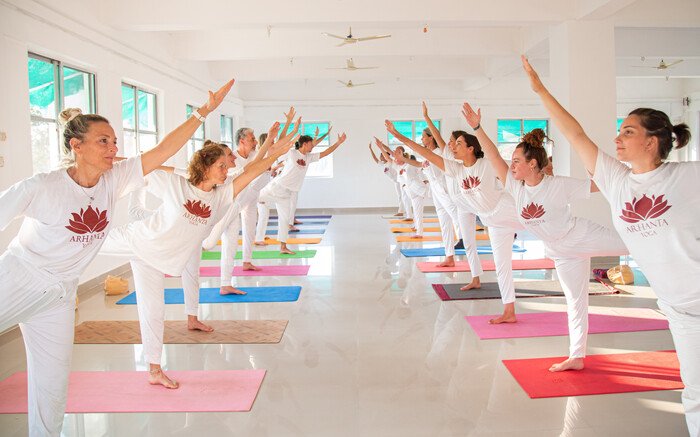
Sequencing poses in yoga means arranging movements in a thoughtful order so the body can move safely and smoothly. A good flow helps build strength, increase flexibility, and create ease in your practice. For beginners, however, knowing how to link poses together makes every session feel connected and purposeful. When poses are placed in the right order, it can also help calm the mind and reduce the risk of injury. Whether you want a relaxing flow or something more energizing, learning how to sequence poses gives you the skills to create yoga flows that work for you. As your confidence grows, you may even want to design your own creative sequences or learn from professionals with structured training like the Yoga Certification offered by https://www.americansportandfitness.com/products/yoga-certification.
Why Sequencing Matters in Yoga
Yoga is not just a random set of stretches. Sequencing is the art of placing one pose after another in a way that feels natural to your body. A well-designed sequence can:
- Help your body warm up before more active movements.
- Prepare your muscles and joints for deeper stretches.
- Guide your breath so it stays connected to your movement.
- Help prevent injuries by introducing poses in a gentle progression.
By thinking about how each pose links to the next, you begin to create a flow rather than just doing poses one by one. This makes your practice feel more complete and satisfying.
Basic Principles of Yoga Flow Design
When you start sequencing your own yoga flow, keeping a few basic ideas in mind makes it easier and safer. Here are simple principles to follow:
Start with Warm-Up Poses
Before moving into challenging shapes, your body needs to wake up gently. Warm-up poses help loosen tight muscles and increase blood flow. These can include simple movements like gentle twists or cat-cow stretches that ease your spine. The goal is to prepare your body so it can move with confidence.
Move from Simple to Complex
Once you feel warm, transition into poses that require a little more strength or balance. For example, begin with standing foundation poses, then move to balance or core-focused shapes, and finally add deeper stretches. By slowly increasing intensity, your body can adapt safely.
Think About Breath and Flow
Good sequencing keeps breath and movement connected. This means you move in ways that match your breath. In many yoga styles, you inhale to lift or expand, and exhale to fold or release. Linking breath with movement helps calm the nervous system and creates a smooth flow.
Common Yoga Flow Patterns for Beginners
There are several flow styles that beginners can explore. Each flow connects poses in a logical progression to help the body move in balance. Try practicing these ideas.
Sun Salutation Style Flow
Sun salutations are one of the most common flow patterns in many yoga practices. This sequence links standing and flowing movements in a rhythmic way that warms every major muscle group. A typical version includes forward bends, plank positions, and upward and downward facing stretches.
Sun salutations are a great way to start your practice because they:
- Gently wake up the body.
- Improve balance and strength.
- Encourage deep, steady breathing.
Strength-Building Flow
If you want a sequence that builds strength, link standing and balance poses together. For example, after warming up, try moving from Warrior I to Warrior II and then into Tree Pose. This progression helps your muscles work harder while still keeping the flow connected.
Restorative Flow for Relaxation
Restorative flows focus on gentle, slow sequences that help the body unwind. Poses like Child’s Pose, seated forward bends, and gentle twists give you time to soften and let go. These flows are perfect for evenings or after a long day.
Tips for Smooth Transitions Between Poses
Moving from one pose to the next doesn’t have to feel difficult. Here are helpful tips to make transitions easy:
- Use Breath as Your Guide: Always match your movement with your inhalations and exhalations.
- Keep Movements Balanced: When you do a pose on one side, follow it on the other side too.
- Take It Slow: It is better to move thoughtfully than to hurry through your practice.
These small habits make your sequence feel more connected and enjoyable.
How Sequencing Improves Your Practice
Well-designed sequencing adds rhythm to your yoga sessions, and over time, you may notice the benefits in both body and mind. The more you practice mindful sequencing, the more aware you become of your body’s needs.
- Reduced risk of injury because muscles are prepared for deeper movement.
- Easier progression into more challenging postures as you gain strength and flexibility.
- Better breath control, which supports calmness and focus.
As you learn the basics, you may be curious about advancing your skills further. Structured training like a yoga certification program provides deeper understanding of anatomy, sequencing methods, safety cues, and how to teach flows to others. Learn more about the Yoga Certification program here
Simple Example Flow for Beginners
Here is a basic example to help you start sequencing on your own:
- Begin in a gentle warm-up like Cat-Cow
- Move into a standing foundation pose
- Progress to balance and strength poses
- Move into seated stretches
- Finish with a calming pose like Child’s Pose
This sample gives you a framework to build on. As you feel more comfortable, you can add or change poses to suit your goals and energy.
Final Thoughts on Sequencing Yoga Flows
Designing creative and balanced yoga flows makes each session feel meaningful. When you understand how to link poses with breath, your practice becomes smoother and more rewarding. Taking time to learn sequencing builds confidence and brings harmony to your movements. If you feel ready to expand your skills, enrolling in a structured Yoga Certification course can help you deepen your understanding and even teach others with confidence and skill. Explore the Yoga Certification page here
Conclusion
Sequencing is an essential part of growing in your yoga journey. It helps your body move with purpose, connects breath and motion, and keeps your practice safe and balanced. As a beginner, learning how to create thoughtful flows gives you more confidence and joy in each session. You do not need many poses to begin. With an understanding of warm-ups, transitions, and thoughtful progression, you will soon feel more connected to your mat. Keep practicing with kindness, creativity, and patience. The more you explore sequencing, the more you will notice your strength, flexibility, and mindfulness improving. Remember, every flow you design is a step toward a more balanced and fulfilling yoga practice.